
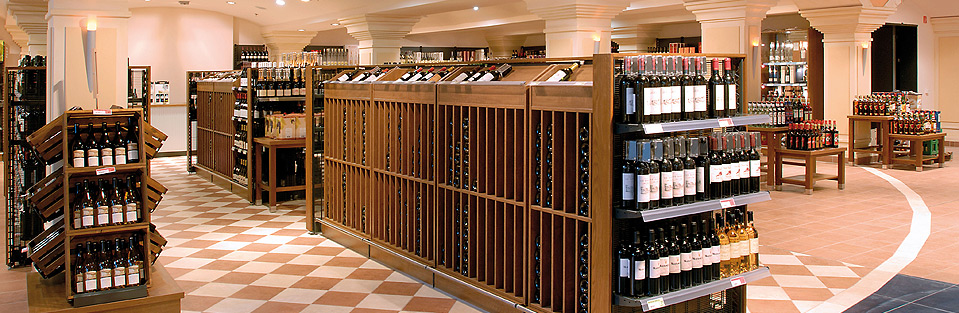

The ideal combination: function + aesthetics
What are vibrated ceramic floors?
A vibrated ceramic floor is a floor covering system for large areas in the commercial/ industrial sector as well as in public buildings that is subject to high mechanical loads. In addition to functional and aesthetic demands, the other main requirement of these floor coverings is their cost-effectiveness.
Producing vibrated floors is a professional and timesaving floor-laying procedure.
Fast installation, long durability and low subsequent costs during usage make vibrated ceramic floors a very economic flooring option.
Vibrated ceramic floors & their advantages
The surface covering, the adhesive bed and the bonding layer together determine the stability and quality of the floor.
The technique of vibration installation is based on the highly compacting vibration of ceramic floor tiles and slabs into an adhesive mortar bed using a surface vibrator.
The adhesive mortar is precompacted and struck off level or planar at the specified slope. The minimum thickness of the bedding layer is 40 mm. A cement-enriched bonding layer is applied to its surface. The ceramic floor tiles and slabs are placed with tightly butted joints into the mortar bed.
A surface vibrator is then passed several times over the ceramic floor tiles and slabs to compact them. The high vibration frequency of the surface vibrator ensures optimum void-free compaction of the bedding mortar.
This combines the surface covering and the bedding into a compact unit. These floors are characterised by a level surface, extreme stability and utmost durability with high mechanical loads.
Ceramic floor tiles together with the rationalised installation process by specialised companies make vibrated ceramic floors a cost-effective, aesthetic and robust floor covering.
A vibrated ceramic floor is a floor covering system for large areas in the commercial/ industrial sector as well as in public buildings that is subject to high mechanical loads. In addition to functional and aesthetic demands, the other main requirement of these floor coverings is their cost-effectiveness.
Producing vibrated floors is a professional and timesaving floor-laying procedure.
Fast installation, long durability and low subsequent costs during usage make vibrated ceramic floors a very economic flooring option.
Vibrated ceramic floors & their advantages
- Extreme surface hardness
- High wear resistance
- Uniform level surface with small proportion of joints
- Excellent stability and durability
- High point loading resistance
- Great cost-effectiveness thanks to timesaving installation process and low subsequent costs
- Very economical to maintain
- Attractive aesthetics and colour stability thanks to natural ceramics
The surface covering, the adhesive bed and the bonding layer together determine the stability and quality of the floor.
The technique of vibration installation is based on the highly compacting vibration of ceramic floor tiles and slabs into an adhesive mortar bed using a surface vibrator.
The adhesive mortar is precompacted and struck off level or planar at the specified slope. The minimum thickness of the bedding layer is 40 mm. A cement-enriched bonding layer is applied to its surface. The ceramic floor tiles and slabs are placed with tightly butted joints into the mortar bed.
A surface vibrator is then passed several times over the ceramic floor tiles and slabs to compact them. The high vibration frequency of the surface vibrator ensures optimum void-free compaction of the bedding mortar.
This combines the surface covering and the bedding into a compact unit. These floors are characterised by a level surface, extreme stability and utmost durability with high mechanical loads.
Ceramic floor tiles together with the rationalised installation process by specialised companies make vibrated ceramic floors a cost-effective, aesthetic and robust floor covering.